SEO is my passion and I can not live without it. I started doing SEO for my first blog in 2015. It was the time when I only knew about the 2 SEO and marketing tools that were Ahref and Semrush. Today, I decided to review one of my oldest markting tool Semrush. I have bee using this tool for more than 1 decade and today I will share my tested and unbiased review.
Keep reading and find out what is Semrush, how it is better than other marketing tools and is it worth in 2026. Find all the answers in this articke.
What is Semrush?
Semrush is an all-in-one SEO and digital marketing tool. It helps with keyword research, site audits, competitor analysis, backlink analysis, rank tracking, and more.
It is a cloud-based platform, which means you don’t need to install anything. You log in from your browser and start working.
Semrush is trusted by marketers, agencies, bloggers, and eCommerce store owners. It is one of the most popular tools in the SEO industry.
My Experience with Semrush Since 2015
I started using Semrush in 2015 when I was working on my first big client project. Back then, I only used it for keyword research and competitor analysis.
Over the years, Semrush added more tools like SEO audit, content marketing toolkit, and social media scheduling. Now, it has become a complete marketing platform.
I use Semrush almost every day for:
- Finding low-competition keywords.
- Tracking keyword rankings for clients.
- Checking website health with site audits.
- Analyzing competitor backlinks.
- Monitoring traffic changes.
One thing I like is that Semrush updates its database frequently. This means the keyword and backlink data is fresh. As an SEO, this is important because outdated data can lead to wrong decisions.
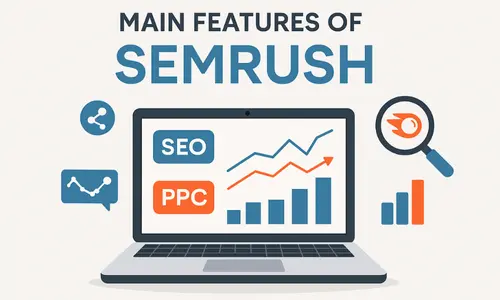
Main Features of Semrush
4.1 Keyword Research
Semrush’s keyword research tool is one of the best in the industry. You can:
- Enter a keyword and get search volume, keyword difficulty, and CPC.
- See related keywords and questions.
- Find long-tail keywords with low competition.
- Filter keywords by country, language, or device.
I often use the Keyword Magic Tool to find keyword clusters for blog content. This helps in creating topic-focused articles.
Site Audit
The site audit feature scans your website and finds SEO issues like:
- Broken links.
- Missing meta tags.
- Duplicate content.
- Slow-loading pages.
It also gives suggestions to fix these problems. I usually run audits once a month for client websites. This helps keep sites healthy and improves search rankings.
Backlink Analysis
Backlinks are still a big ranking factor. Semrush lets you:
- Check backlinks for any website.
- See anchor text distribution.
- Identify toxic backlinks.
- Monitor new and lost backlinks.
I use this feature to study competitors and find link-building opportunities.
Competitor Analysis
Semrush shows you what your competitors are ranking for. You can see:
- Their top keywords.
- Traffic estimates.
- Backlink sources.
- Paid ads data.
This helps in creating a winning SEO strategy. If a competitor ranks for a keyword, you can try to outrank them with better content.
Rank Tracking
Rank tracking lets you monitor keyword positions over time. You can:
- Track rankings for multiple countries and devices.
- Get daily or weekly updates.
- Compare your rankings with competitors.
I track rankings for all client projects. It helps in showing SEO progress to clients.
Content Marketing Toolkit
Semrush offers tools for content creation, such as:
- Topic research.
- SEO writing assistant.
- Content audit.
The SEO writing assistant checks your content for readability, keyword usage, and tone of voice. This is useful for creating search-friendly articles.
Social Media Tools
You can schedule posts on Facebook, Twitter, Instagram, and LinkedIn from Semrush. You can also track engagement and follower growth.
PPC and Advertising Research
If you run paid ads, Semrush shows competitor ad copies, keywords, and budgets. This can help in creating better campaigns.
Pros of Semrush
From my years of use, here are the main advantages:
- Huge Keyword Database – Accurate and updated keyword data.
- Powerful Competitor Analysis – See what works for others.
- Comprehensive Site Audit – Find and fix SEO problems.
- Accurate Rank Tracking – Reliable keyword position updates.
- All-in-One Platform – No need for multiple tools.
- Frequent Updates – New features added regularly.
- User-Friendly Interface – Easy to learn for beginners.
Cons of Semrush
Even good tools have drawbacks. Here’s what I have noticed:
- Price is High for Beginners – Cheaper tools are available.
- Learning Curve – Some features can be confusing at first.
- Limited Projects on Lower Plans – Pro plan only allows 5 projects.
- No Free Plan – Only a 7-day trial.
- Data for Very Small Countries Can Be Limited – Smaller markets may not have full keyword data.
Pricing and Plans
Pro Plan – For beginners and individual projects
- $117.33/month (billed annually) instead of $139/month.
- What’s inside:
- Up to 5 projects.
- Keyword research tools.
- Competitor analysis tools.
- Position Tracking.
- Backlink Analysis.
- Site Audit.
Guru Plan – For small businesses
- $208.33/month (billed annually) instead of $249/month.
- All Pro features plus:
- Up to 15 projects.
- Historical data.
- Multi-location and device data.
- ChatGPT Search tracking.
- Content marketing tools.
Business Plan – For agencies and mid-market companies
- $416.66/month (billed annually) instead of $499/month.
- All Guru features plus:
- Up to 40 projects.
- Share of Voice.
- Extended limits.
- API access.
- Migration from third-party tools.
Semrush vs Ahrefs – Which One Should You Choose in 2026?
Both Semrush and Ahrefs are powerful SEO tools, but they serve slightly different needs. I have used both for years, and here’s how they compare based on real experience.
| Feature | Semrush | Ahrefs |
|---|---|---|
| Keyword Research | Excellent keyword database with related terms, questions, and keyword clusters. Great for content planning. | Very accurate keyword difficulty and real click data. Parent Topic feature avoids micro-keywords. |
| Backlink Analysis | Strong backlink database with toxic link detection and competitor link insights. | Industry-leading backlink database with deep link source insights and anchor text analysis. |
| Site Audit | Fast, detailed audits with clear suggestions. Great for technical SEO fixes. | Very thorough audits but can be slower for large sites. Shows detailed error breakdowns. |
| Competitor Analysis | Advanced competitor tracking with traffic, keyword, and ad insights. | Excellent for analyzing top pages and traffic sources. Helps find link and content gaps. |
| Content Tools | Includes topic research, SEO writing assistant, and content audit. | Content Explorer helps find link-worthy topics and outreach opportunities. |
| Rank Tracking | Accurate and supports multi-location tracking. | Reliable tracking with “Share of Voice” metrics and country-specific tracking. |
| Ease of Use | Beginner-friendly with a clean interface. | Slightly steeper learning curve but very powerful. |
| Pricing (2026) | Starts at $117.33/mo (Pro Plan). | Starts at $129/mo (Lite Plan). |
If you want an all-in-one marketing platform with content, social media, and SEO tools, go with Semrush. It’s perfect for agencies, bloggers, and small businesses.
If your main focus is backlink analysis and keyword accuracy, Ahrefs is hard to beat. It’s ideal for advanced SEOs and link-building campaigns.
For most users, Semrush is the better all-rounder, while Ahrefs is the top choice for deep SEO research and link building.
Who Should Use Semrush?
Semrush is best for:
- SEO professionals who need detailed data.
- Digital marketing agencies managing multiple clients.
- Small businesses wanting to grow online presence.
- Bloggers and affiliate marketers focusing on organic traffic.
If you are a complete beginner with a small budget, Semrush may feel expensive. In that case, you can start with the Pro plan or use the trial before committing.
Tips for Getting the Most from Semrush
From my personal workflow, here are some tips:
- Use the Keyword Magic Tool to plan topic clusters.
- Run monthly site audits to keep your site healthy.
- Check competitor backlinks for link-building ideas.
- Set up rank tracking for important keywords.
- Use the SEO writing assistant to optimize new articles.
Final Verdict
I have been using Semrush for over 9 years. It is one of the few SEO tools that I keep renewing every year. It gives me accurate data, powerful analysis tools, and features that save me hours of manual work.
Yes, it is expensive for beginners. But if SEO is important for your business, Semrush is a solid investment.
If I had to rate it:
- Features: 9.5/10
- Ease of Use: 9/10
- Value for Money: 8.5/10
My Recommendation: If you can afford it, go for Semrush. Use it daily, and you will see a big improvement in your SEO results.
F.A.Q
Can beginners use Semrush without SEO experience?
Yes, beginners can use Semrush, but it might take some time to understand all the features. The platform offers tutorials, tooltips, and guides that make learning easier. Starting with basic tools like keyword research and site audit is a good idea.
Does Semrush support local SEO for small businesses?
Yes, Semrush has tools for local SEO, such as local keyword tracking and listing management. These features help small businesses improve visibility in local search results and attract nearby customers.
Can I integrate Semrush with other marketing tools?
Yes, Semrush supports integration with tools like Google Analytics, Google Search Console, and social media platforms. These integrations give you deeper insights and make campaign tracking easier.
How often does Semrush update its keyword and backlink data?
Semrush updates its keyword and backlink database frequently, often on a daily basis. This ensures you get accurate and fresh data, which is important for making correct SEO decisions.
Is Semrush useful for content marketing teams?
Yes, Semrush offers tools for topic research, content optimization, and content audits. These help content teams create SEO-friendly articles and improve content performance over time.